
Garage Floor Crack Repair in Southern Vermont & New Hampshire
A cracked garage floor isn’t just an eyesore. It can compromise your garage door’s operation, create safety hazards, and chip away at your home’s value. Most homeowners don’t realize how directly their floor condition impacts the overhead door system sitting on top of it. At Champion Overhead Door, we see this connection every day. Based in Brattleboro, VT, we serve homeowners across Southern Vermont, Southern New Hampshire, and Western Massachusetts who need honest guidance on garage floor crack repair and expert service when floor damage starts affecting their garage doors.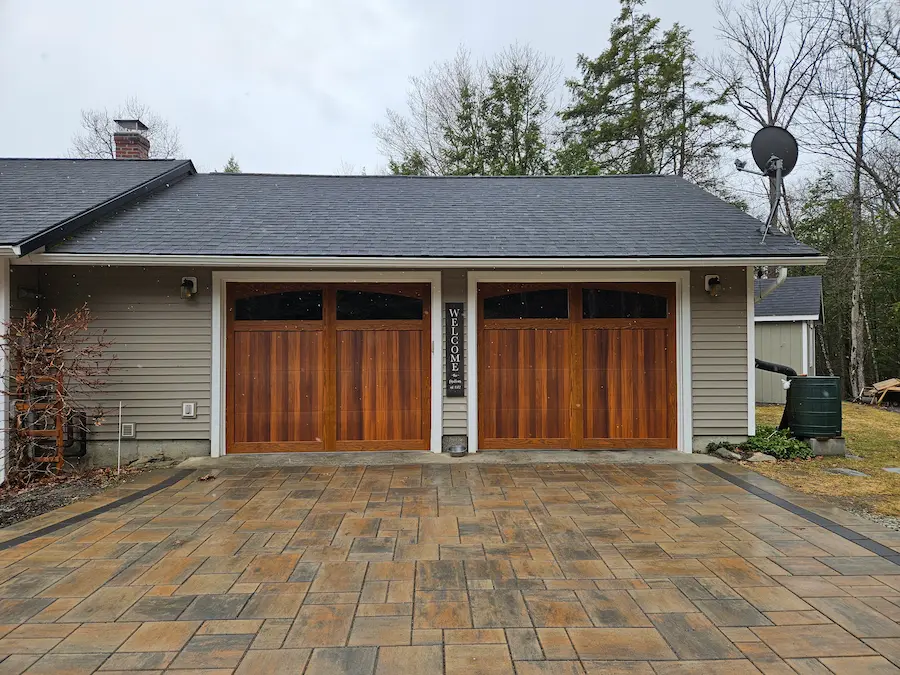
Why Garage Floor Cracks Demand Attention
It’s easy to walk past a crack in your garage floor and think, “I’ll deal with it later.” But in New England, later always means worse. Our freeze-thaw cycles don’t forgive neglect. Water finds its way into even the smallest crack, freezes overnight, expands, and pushes the concrete apart. By spring, that hairline crack is a quarter-inch gap. By next winter, it’s a trip hazard with water pooling underneath. As garage door professionals, we see the damage that generic DIY guides never mention. Here’s what’s actually happening beneath your feet and above it.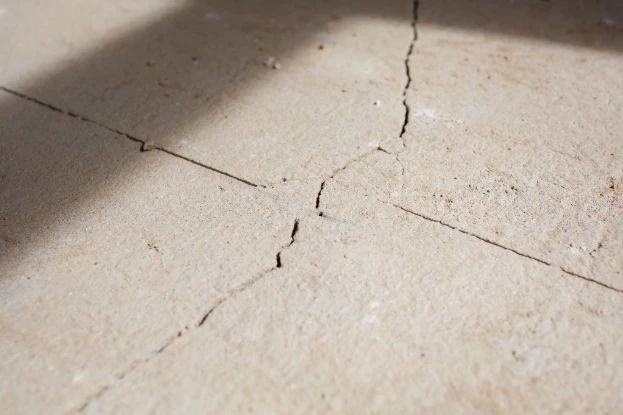
How Cracked Floors Affect Your Overhead Door
This is what separates our perspective from a hardware store article. We don’t look at your floor in isolation. We look at how it connects to your entire garage door system:- Uneven tracks — Heaving or settling concrete shifts the tracks your door rides on, causing binding, jerking, or premature failure.
- Poor weather sealing — Floor cracks and uneven surfaces create gaps beneath the door, letting in cold air, moisture, pests, and debris.
- Safety sensor misalignment — Even minor floor movement can knock photo-eye sensors out of alignment, preventing your door from closing.
- Premature wear on rollers and hinges — A door forced to operate on misaligned tracks grinds through hardware faster than it should.
- Opener strain — Your garage door opener works harder to compensate for resistance caused by track misalignment, shortening its lifespan.
New England Weather and Concrete Damage
Vermont and New Hampshire winters are brutal on concrete. Three things happen every single season:- Frost heave: Ground beneath your slab freezes and expands, pushing concrete upward unevenly. When it thaws, sections settle at different rates, creating cracks and raised lips.
- Moisture infiltration: Snowmelt and rain seep into existing cracks. Once inside, the freeze-thaw cycle works from within, widening damage exponentially.
- Salt degradation: Road salt and ice melt tracked in by vehicles chemically attacks concrete surfaces, weakening the top layer and accelerating spalling.
Common Types of Concrete Cracks We See
Not all cracks are created equal. Here’s what we encounter most often in garages across Windham County, the Keene area, and Western MA:- Shrinkage cracks — Thin, shallow lines that form as new concrete cures. Mostly cosmetic.
- Settlement cracks — Wider gaps caused by soil compaction or shifting beneath the slab.
- Frost heave cracks — Raised, uneven sections where frozen ground has pushed the slab upward.
- Spalling and flaking — Surface deterioration from salt exposure and freeze-thaw cycles.
- Expansion joint failures — Cracks along existing control joints that have widened beyond their intended range.
- Corner cracks — Breaks radiating from the corners of the slab, often caused by inadequate support underneath.
Hairline Cracks vs. Structural Damage
Knowing the difference between a cosmetic issue and a structural problem saves you money and stress.| Crack Type | Severity | Recommended Action |
|---|---|---|
| Hairline surface cracks (<1/8 inch) | Low, cosmetic | DIY fix with concrete caulk or filler |
| Settling cracks (1/8 to 1/4 inch) | Moderate, monitor closely | Patch and monitor; call a pro if they grow |
| Wide cracks (>1/4 inch) | High, structural concern | Professional assessment required |
| Heaving cracks (uneven surfaces) | High, active movement | Professional intervention needed immediately |
| Cracks with water seepage | High, moisture intrusion | Professional waterproofing and repair |
When a Crack Means a Bigger Problem
Some cracks are warning signs of issues that go well beyond the surface. Watch for these red flags:- One side of the crack is higher than the other. The slab is actively shifting or settling unevenly.
- Cracks are visibly growing between seasons. The underlying cause hasn’t been addressed.
- Water is pooling near or seeping through cracks. Moisture is finding a path beneath your foundation.
- Your garage door suddenly won’t close flush. Floor movement has affected the door system.
- Multiple cracks are forming in a pattern. This can indicate foundation failure, not just surface wear.
How to Fix Concrete Cracks in Your Garage
We’re not here to sell you products you don’t need. Here’s our honest take on what you can handle yourself and when it’s time to call in a pro.DIY vs. Professional Repair: Which Is Right for You?
✅ Handle it yourself if:
- The crack is less than 1/8 inch wide and not growing
- The surface is stable with no heaving or height difference
- Your garage door is operating normally
- The damage is cosmetic: chips, light scaling, hairline lines
🚫 Call a professional if:
- Cracks are wider than a quarter inch or expanding season over season
- One side of the crack sits higher than the other
- Water is seeping through the floor during rain or snowmelt
- Your garage door is binding, not sealing at the bottom, or triggering sensor errors
- The slab has heaved or settled unevenly across the floor
Minor Repairs You Can Handle Yourself
For small, stable cracks that aren’t affecting your garage door, a DIY approach works fine:- Hairline cracks — Apply concrete caulk or a liquid crack filler. Clean the crack with a wire brush first, remove debris, and fill according to product directions.
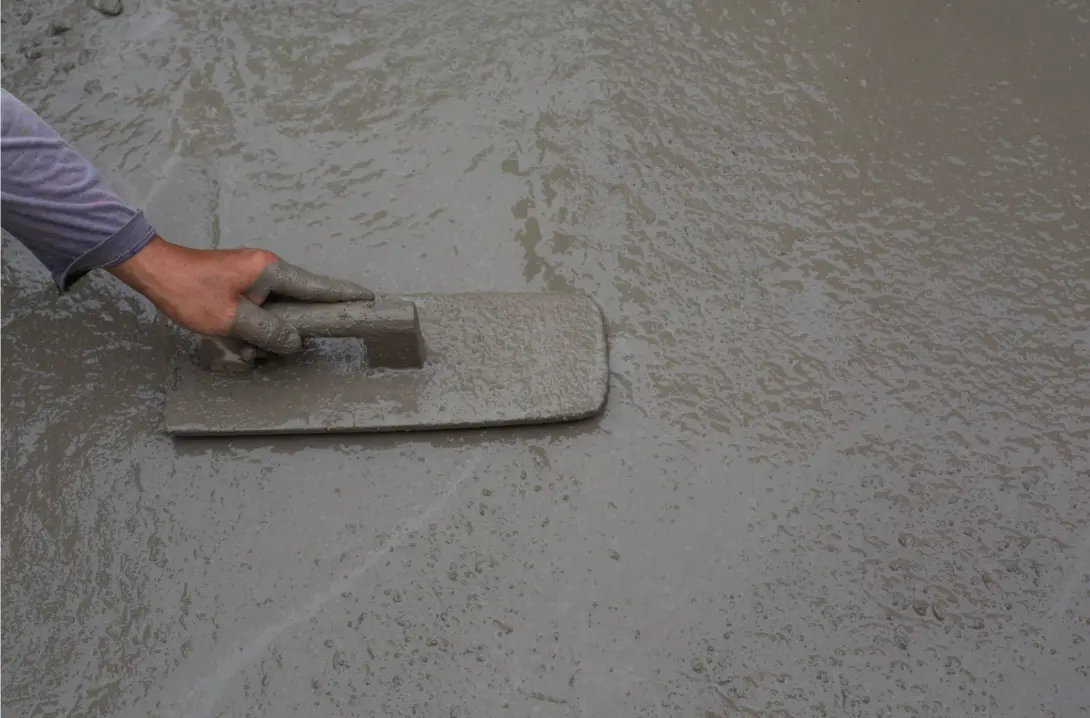
- Small chips and spalling — Use a vinyl-concrete patching compound. Dampen the area, apply the patch, and smooth with a trowel.
- Surface scaling — A concrete resurfacer can restore the top layer if salt damage has caused flaking.
- Repair in dry weather above 50°F for proper curing
- Don’t skip cleaning — adhesion depends on a debris-free surface
- Seal your entire garage floor after patching to slow future damage
Repairs That Require a Professional
When cracks affect your garage door’s threshold, track alignment, or structural integrity, DIY patches are a temporary fix on a growing problem. Champion Overhead Door evaluates your entire garage system, not just the floor in isolation. If floor damage is affecting your door’s operation, we can provide garage door repair services to restore proper alignment, sealing, and function.Our Garage Floor and Door Assessment Process
Here’s exactly what happens when you call Champion Overhead Door about a cracked garage floor:- Phone consultation — We ask about the cracks you’re seeing, how long they’ve been there, and if you’ve noticed any changes in your garage door’s performance.
- On-site evaluation — We inspect your garage floor and overhead door system together: track alignment, weather seal contact, sensor positioning, and opener function — all in relation to your floor’s condition.
- Honest recommendation — We tell you what we find. If it’s a minor crack you can patch yourself, we’ll say so. If your door needs adjustment, we’ll explain why. If the floor damage is beyond our scope, we refer you to a trusted concrete specialist.
- Repair or referral — If your garage door needs service, we handle it on the spot. If the floor needs concrete work, we connect you with local contractors we trust. If a full new garage door installation makes more sense than continuing to repair an aging system on a compromised floor, we’ll walk you through the options.
Why Homeowners in VT, NH & Western MA Trust Champion
| What Sets Us Apart | What That Means for You |
|---|---|
| Locally based in Brattleboro, VT | We’re your neighbors, not a franchise reading from a script |
| Serving Windham County, Keene area & down to Greenfield, MA | We know the roads, the weather, and the homes in this region |
| Overhead door specialists | We connect floor health to the total door system — something general contractors miss |
| Honest assessments | You’ll always get a straight answer, even if it means telling you not to spend money |
| Responsive service | We don’t make you wait two weeks when your garage door isn’t working |
| Full-system perspective | We look at how your floor, tracks, seals, sensors, and opener all work together |
Champion Overhead Door Sees What Others Miss
Big-box stores sell you patching compound. Franchise operations sell you coatings. Champion Overhead Door is the only local team that evaluates your cracked garage floor in context: how it affects your door’s alignment, seal, and safety. We don’t just fix cracks. We protect your entire garage system. That’s a perspective you won’t get from a hardware store aisle or a franchise technician following a script. It comes from years of working on overhead door systems in New England homes and seeing firsthand how floor damage cascades into bigger, more expensive problems when it’s ignored. Contact us to schedule an assessment and get a straight answer about what’s happening with your garage floor and door system.Frequently Asked Questions
Can a cracked garage floor cause problems with my garage door?
Yes. Even small cracks can lead to an uneven surface that affects your garage door’s tracks, weather seal, and safety sensors. If your door isn’t closing evenly or you notice gaps at the bottom, floor damage could be the cause.
Should I repair garage floor cracks myself or hire a professional?
Hairline cracks and small chips are usually fine to patch yourself with concrete filler from a hardware store. But if cracks are wider than a quarter inch, growing over time, or affecting how your garage door operates, it’s worth having a professional assess the situation.
Why do garage floors crack more in Vermont and New Hampshire?
Our freeze-thaw cycles are tough on concrete. Water seeps into small cracks, freezes, expands, and widens them over winter. Road salt tracked in by vehicles also degrades concrete over time. That’s why catching cracks early matters so much in New England.
How much does it cost to fix cracks in a concrete garage floor?
Minor DIY repairs with patching compound can cost under $50. Professional repairs vary depending on the extent of damage and if the cracks are affecting other systems like your garage door. We provide honest assessments so you know exactly what you’re dealing with before any work begins.
How do I know if a crack in my garage floor is serious?
Watch for cracks wider than a quarter inch, cracks where one side is higher than the other, or cracks that keep growing. Water pooling near cracks or a garage door that suddenly won’t close properly are also warning signs that something more serious is going on.
Does Champion Overhead Door repair garage floors?
Champion Overhead Door specializes in overhead door installation, repair, and service. We assess how floor damage impacts your garage door system and can coordinate the right solution: a door adjustment on our end or a referral to a trusted concrete specialist in the area.